We do not just hand you the traces.
BYNTGroup’s technical division does not stop at a set of test results. It reads them: which events matter, what is causing them, and what to do about it.

BYNTGroup’s technical division does not stop at a set of test results. It reads them: which events matter, what is causing them, and what to do about it.
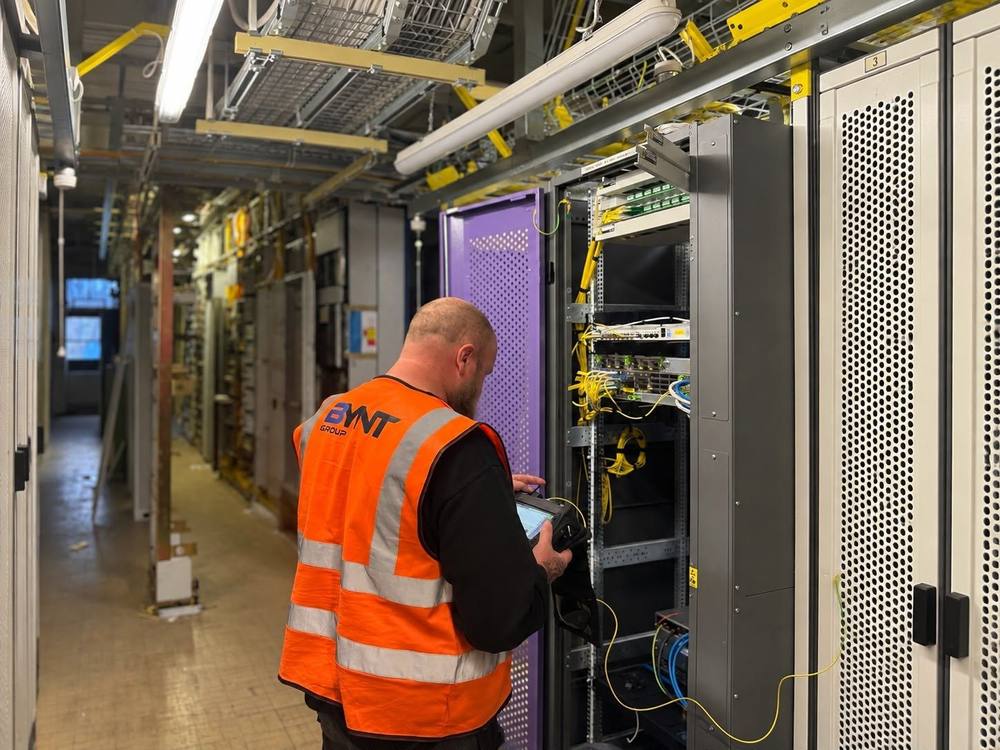
BYNTGroup runs construction, splicing and testing as one team. The team that builds the joint is the team that tests it, so when a result looks wrong they already know how the infrastructure was put together.
On a long rural route — through multiple exchanges, joints, enclosures and stretches of inherited infrastructure — that is the difference between finding the fault and finding a symptom.
Comprehensive OTDR testing including full bi-directional testing across backhaul links, using EXFO equipment with RFTM and EXFO Exchange to analyse end-to-end link loss, individual events and overall fibre performance.
We review the data, identify poor-performing events, faults and anomalies, and work with the client to explain what the results show, establish likely causes and recommend the remedial action. Distinguishing a genuine network fault from a testing, configuration or system anomaly is a large part of this — getting it wrong sends a crew to a hole in the ground with nothing wrong with it.
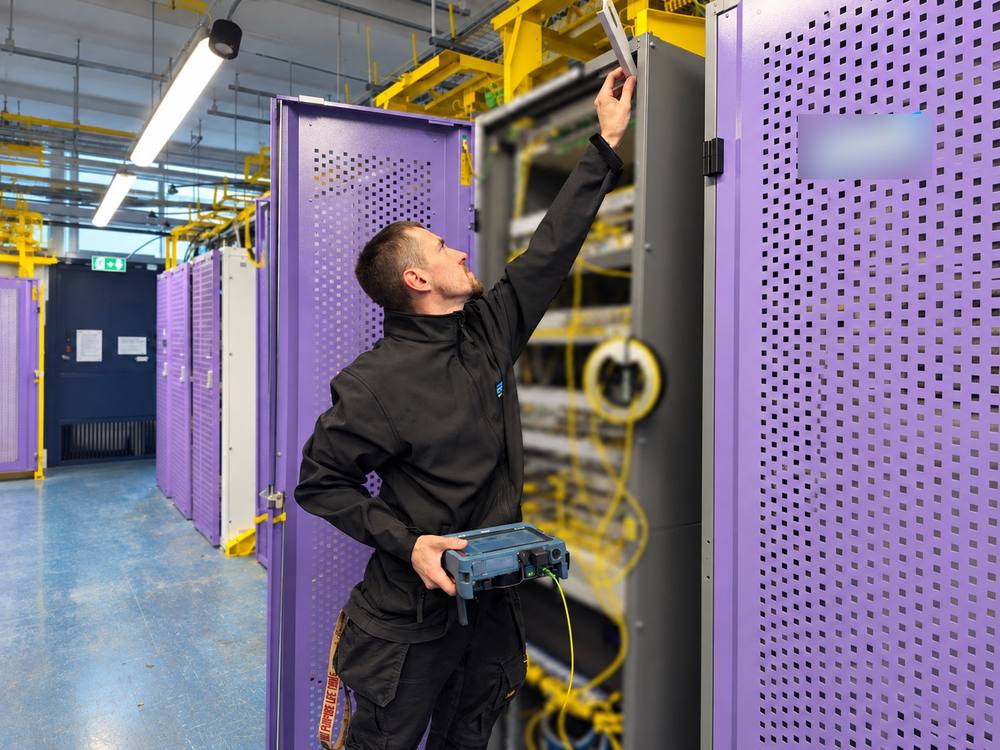
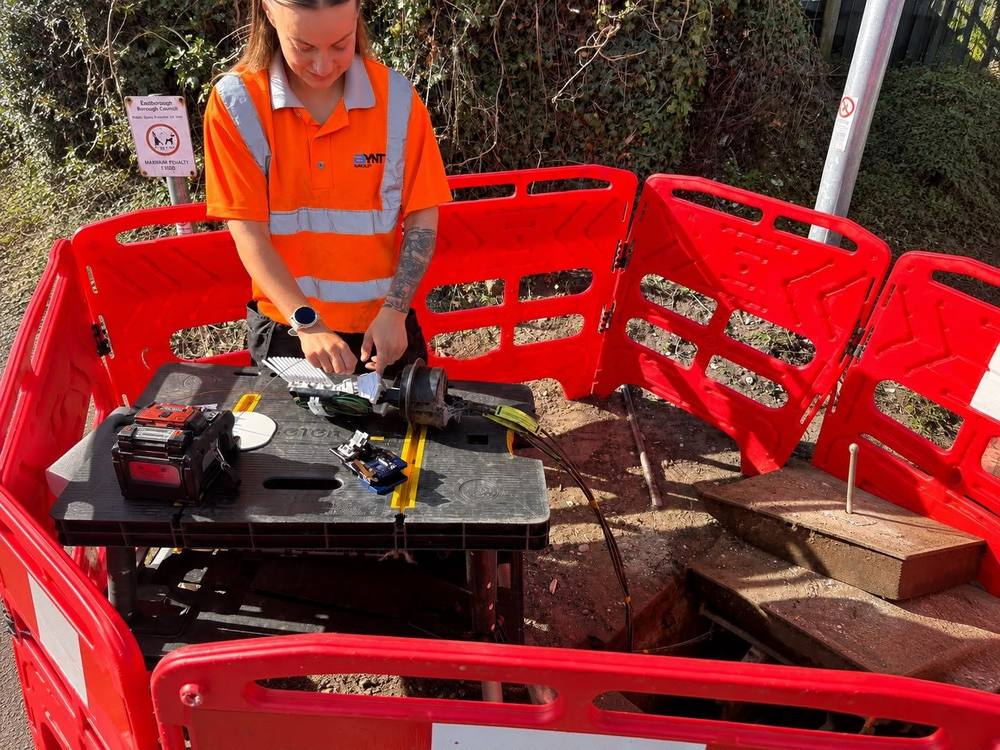
From access-network distribution points through to high-capacity backhaul joints and exchange ODFs. CMJ, MMJ and LMJ configurations across HellermannTyton, Prysmian, CommScope and Hexatronic systems. Cable preparation, high-count fusion splicing, fibre identification and routing, tray configuration and management, ODF construction and patching — built for traceability and future maintainability, not only for continuity today.
Because the same division tests what it builds, every joint can be OTDR tested and analysed end to end, verifying performance and identifying individual splice events before anyone leaves site.
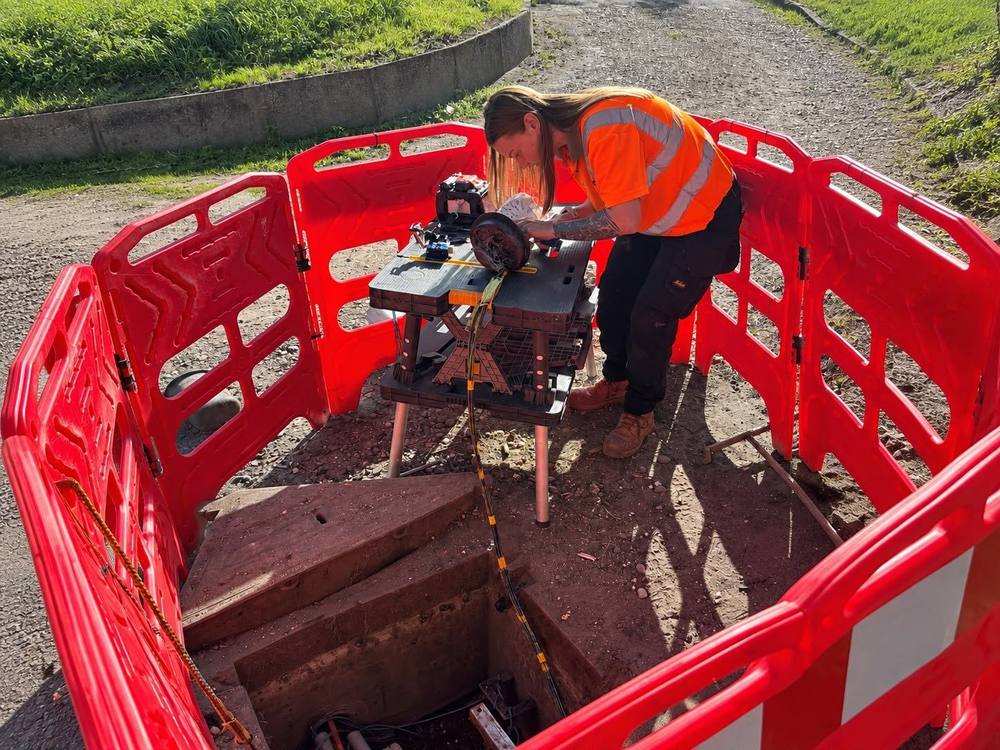
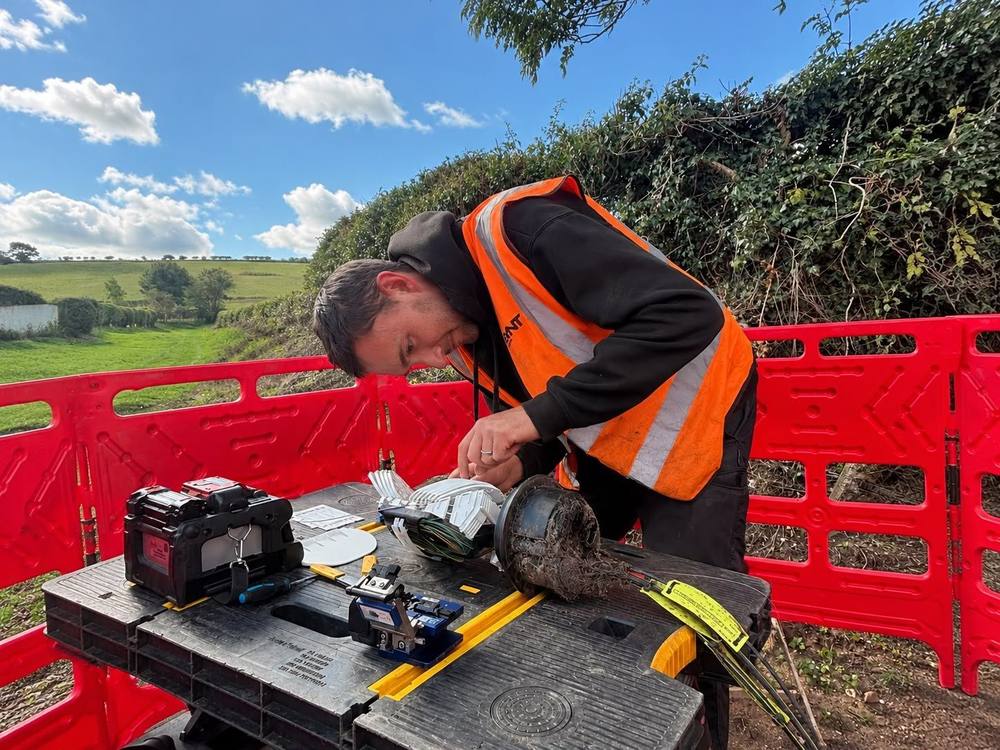
Dedicated EAD fibre routes between FTTP and FWA cabinets, often running through long sections of existing infrastructure and multiple enclosures. The route is surveyed and validated before delivery, then OTDR tested after connection to prove the intended end-to-end path was established and that no unwanted connections exist in the route.
When customers lose service — splitter degradation, unexpected fibre damage, failed connections — a dedicated two-person technical team investigates, combining OTDR testing, network knowledge and physical inspection to find the point of failure, establish the cause and restore service.
BYNTGroup participates in monthly technical reviews with EXFO and the network operator, covering platform performance, test outputs and emerging technical issues. The capability is backed by EXFO Certified Contractor and EXFO Certified — Data Center training.
Tell us about the programme and we will come back with a practical delivery plan.
Start a conversation