Fielding the poles so the build can start.

On an aerial build the schedule is not set by how fast you can hang cable. It is set by make-ready — and nobody knows what make-ready a route needs until every pole on it has been fielded, measured and analysed. BYNTGroup mobilised roaming fielding teams into North Carolina for a national prime contractor: pole data collected in the field, loading analyses and make-ready designs produced from it, and the joint-use submissions made.

No aerial build moves faster than its make-ready.
The work in figures

Src — North Carolina fielding programme
Route surveyed2,686,358 ft
— the same distance in miles and kilometres509 mi · 819 km
Poles fielded1,025
Pole loading analyses1,025
MarketNorth Carolina
Duration3 months

What those two numbers are counting

They are not the same route. The 2,686,358 ft is everything surveyed — underground and non-pole sections as well as aerial. The 1,025 poles are the aerial portion of it, every one of them fielded and taken through a loading analysis.

Worth saying plainly, because 509 miles against 1,025 poles looks like a pole every half mile, and no aerial line is built like that.

Make-ready is the gate, and it is a bottleneck

A prime contractor running a multi-market aerial programme cannot start construction until make-ready is known, and make-ready is not known until the fielding is done. That effort sits in front of everything else on the schedule.

It also lands in markets where the contractor has no standing local resource — which is exactly where a permanent team makes no sense and the work still has to happen at volume, now.

Roaming teams, not a branch office

BYNTGroup mobilises a fielding team into a market, works it at volume, and moves on. The contractor gets surge capacity against a known quantity of poles without standing up a presence they will not need in six months, and without carrying it between programmes.

Three months in North Carolina, 1,025 poles fielded and analysed, team out.

Collection straight into analysis

Pole data is captured in ArcGIS Field Maps and flows directly into Katapult, where it becomes a loading analysis and then a make-ready design. Nothing waits for a survey phase to finish and be handed over in a batch.

The practical effect is that loading results and make-ready packages come back in days. The contractor can start releasing routes for construction while the rest of the market is still being walked, instead of waiting on one delivery at the end.

And the submissions

BYNTGroup makes the pole owner and joint-use submissions as well. That work is slow and administrative, it runs on somebody else’s timetable, and it sits between a finished design and a pole you are allowed to touch.

Taking the fielding without taking the submissions leaves the bottleneck in place. So we take both.

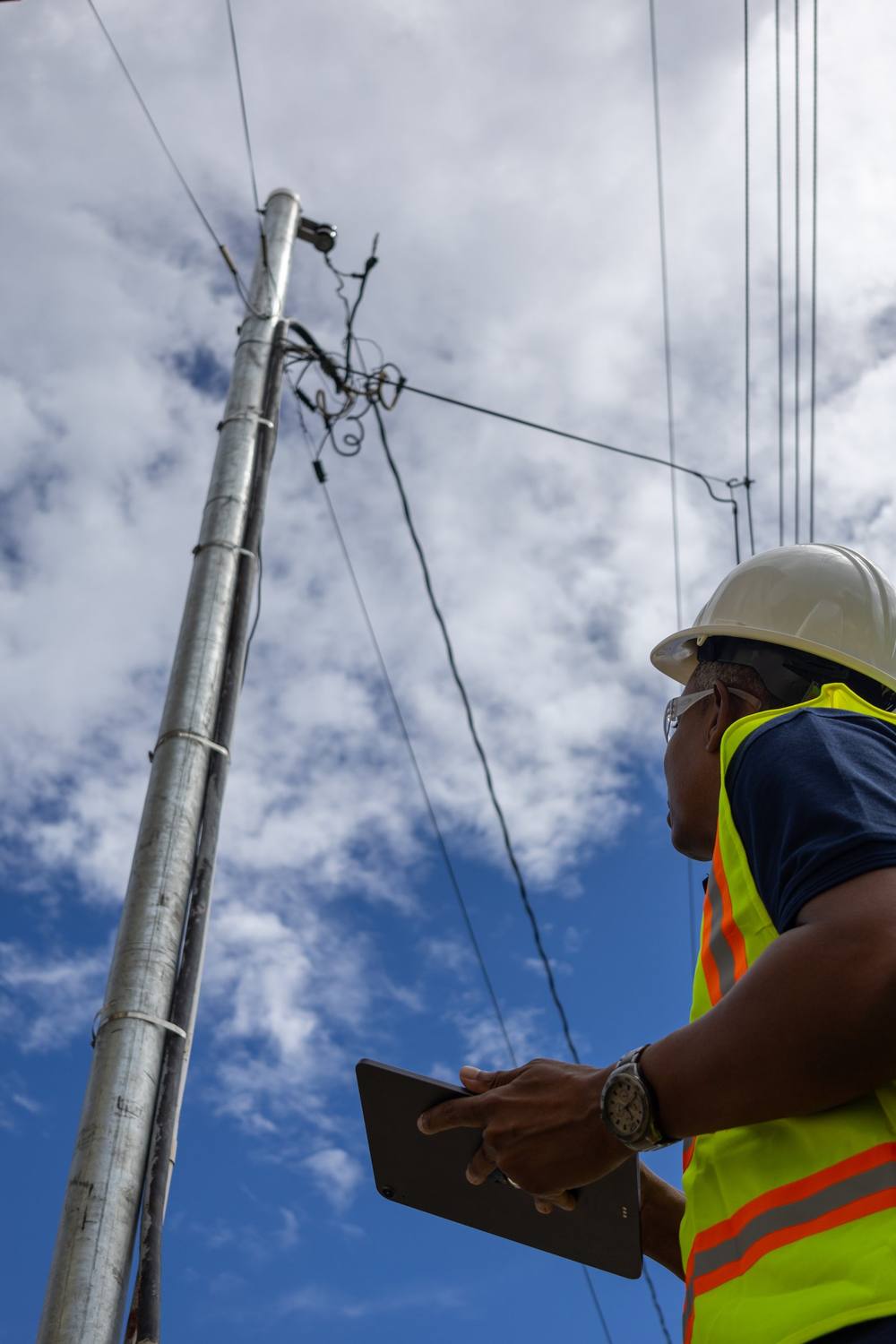
Engineer in hard hat and hi-vis looking up at a steel pole and its attachments, tablet in hand
Fig. 1 — Fielding a pole · attachments recorded on the tablet
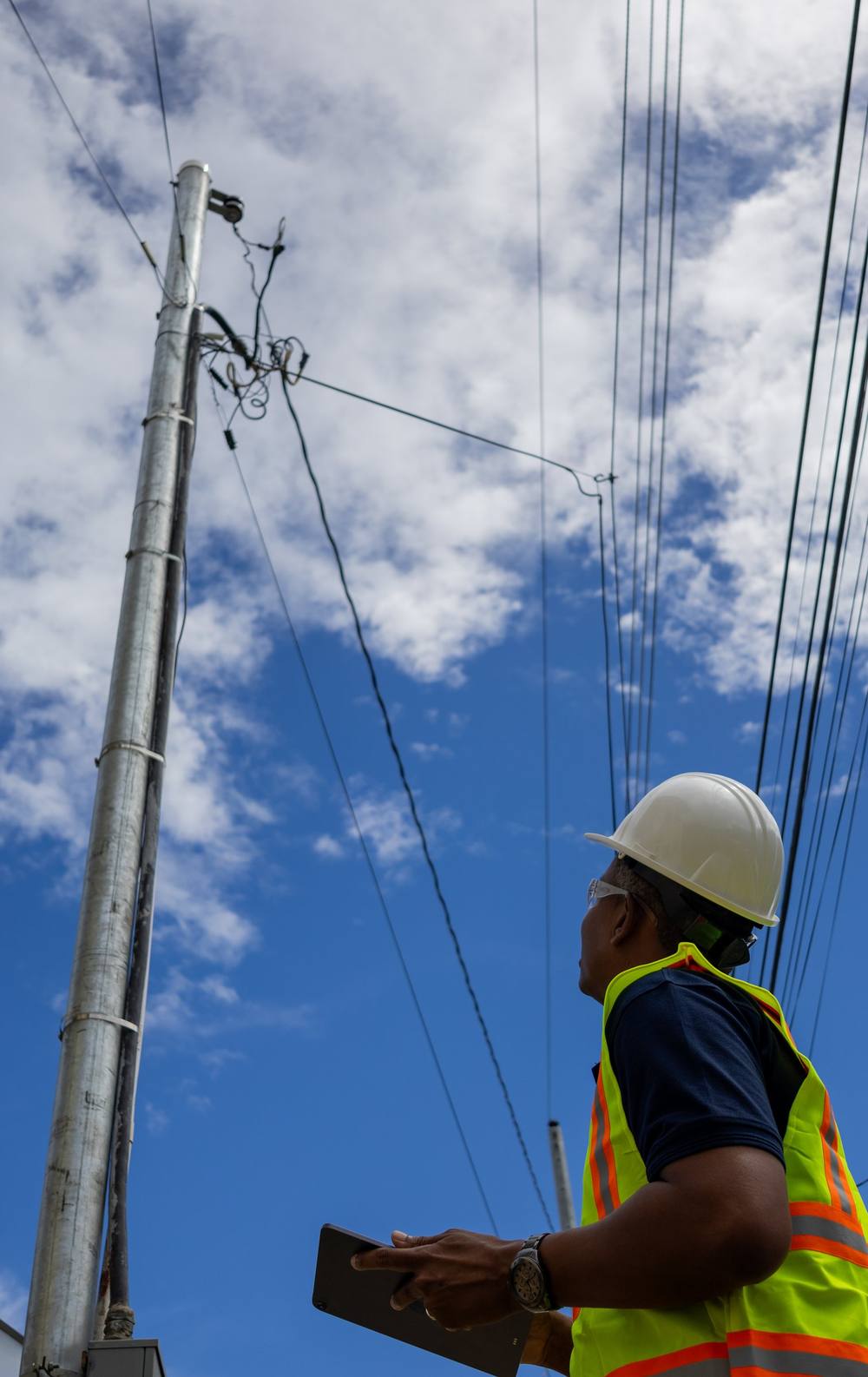
Close view of an engineer checking the cables and fittings at the top of a pole, tablet held ready
Fig. 2 — Reading the pole top before the loading analysis

Where this goes next

Talk to us about fielding a market

Tell us about the programme and we will come back with a practical delivery plan.

Start a conversation