One base. Four kinds of work.

BYNTGroup runs Arizona out of Phoenix, delivering for several different network owners at once — microtrenching where open cut was never going to be permitted, splicing and testing on a metro fibre build, commercial and multi-dwelling fitouts, and fibre to the apartment on new developments. Different clients, different disciplines, one crew base and one quality system.

For a prime contractor, range is the argument: one team across four kinds of work.
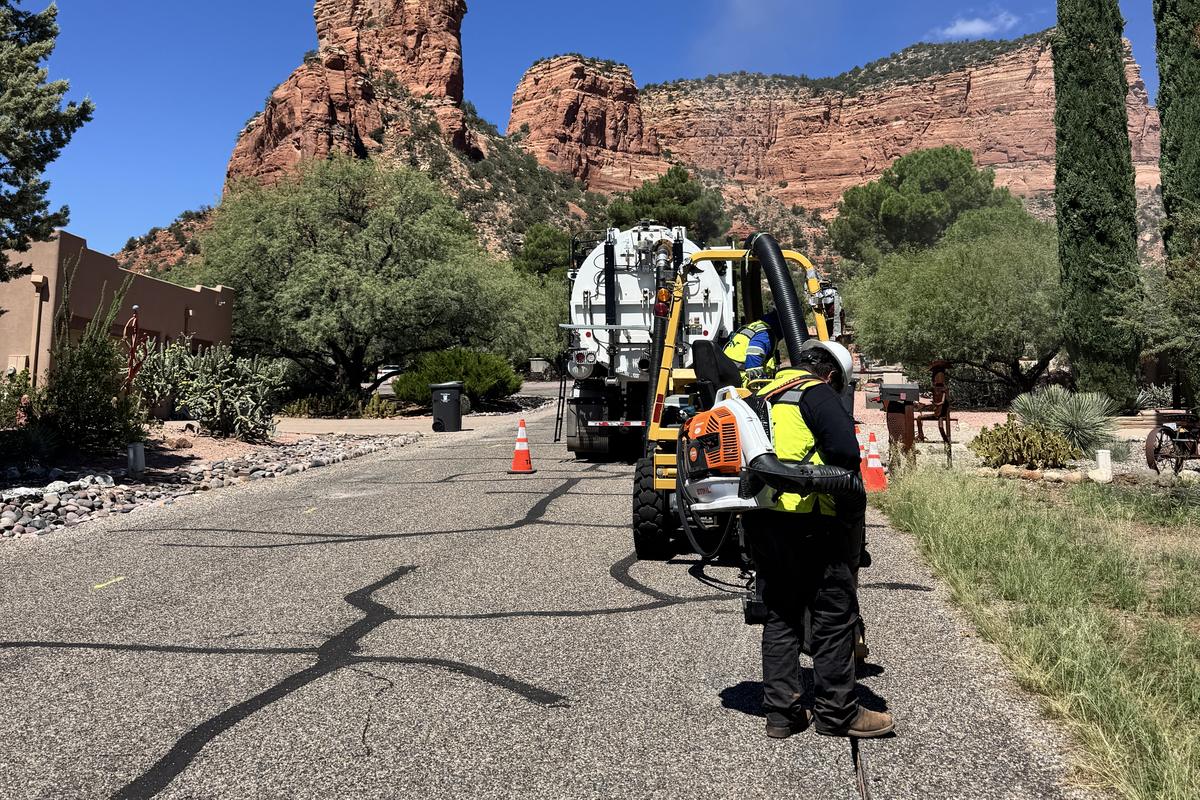
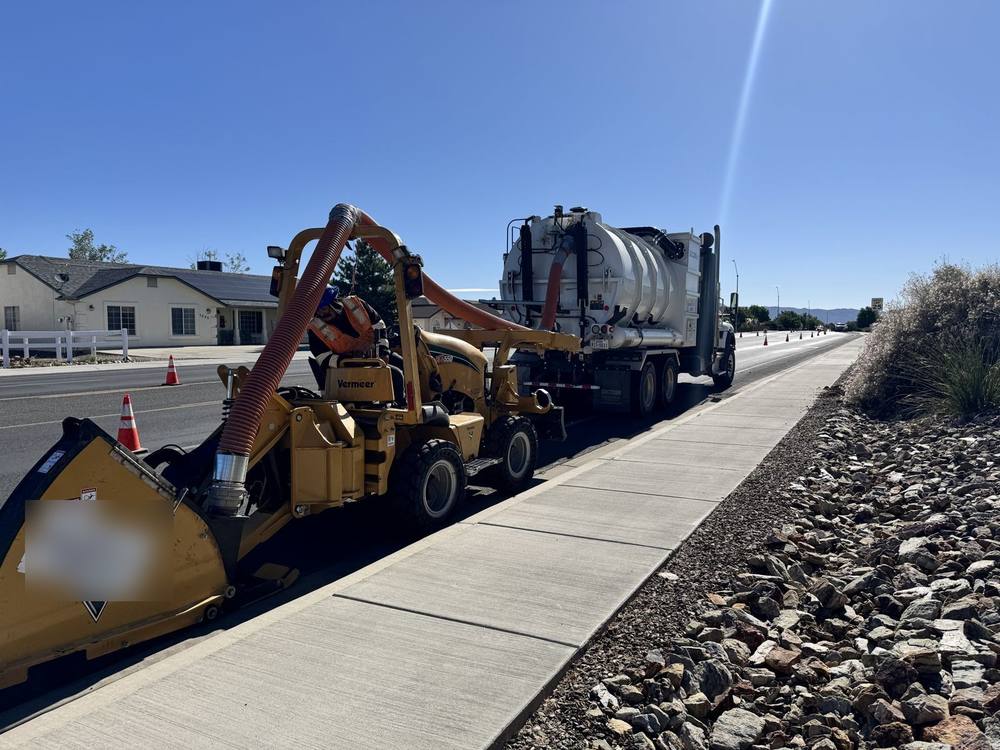
Microtrenching crew working a residential road below Sedona red rock, vacuum excavation truck ahead of them
Fig. 1 — Microtrenching · Verde Valley, Arizona

The work in figures

Src — Arizona operations, as at September 2026
Fibre route microtrenched460,000 ft
— of it on the Verde Valley programme210,000 ft
— sustained, with a single crew10,000+ ft a week
— peak day3,900 ft
Cable installed525,000 ft
Enclosures built and spliced600
Commercial fitouts completed33
MDU buildings completed25
— units inside them1,568
New-build MDUs wired to the apartment10
Homes passed on our own buildapprox. 8,000
Homes under live maintenance coverapprox. 20,000

Microtrenching, where open cut was never an option

The Verde Valley is the kind of place that gets left behind: low density, long distances between premises, and terrain that makes conventional civils expensive enough to kill the business case before it starts. One of the communities is among the most visually protected in Arizona, where a programme of open-cut trenching through residential streets was never going to be permitted, let alone welcomed.

Microtrenching was not a preference. It was the method that made the build economically and politically possible. A trenching crew cut the slot, a box crew followed, and vacuum excavation handled spoil and potholing so the surface was reinstated behind the machine rather than left open — 210,000 ft of route there, from a single microtrencher and sixteen people.

Across Arizona as a whole the total now stands at 460,000 ft of microtrenched route, sustained at 10,000 ft or more a week with a single crew.

Microtrencher cutting a narrow slot along the edge of a residential road
Fig. 2 — Microtrenching the slot · Arizona
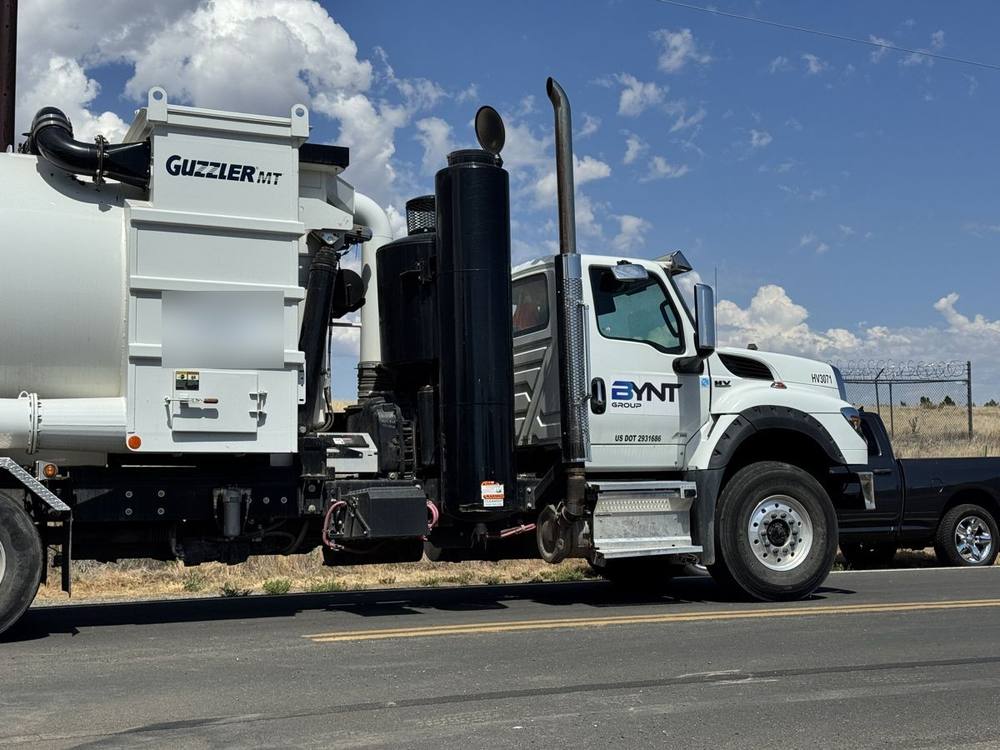
BYNTGroup vacuum excavation truck on a roadside
Fig. 3 — Vacuum excavation · Arizona

Cabling, splicing and testing on a metro build

In Mesa and Chandler, BYNTGroup delivers cabling, splicing and testing for a national fibre joint venture — cabinet and ODF build, high-count splicing, aerial and underground construction, and the bi-directional testing that releases a segment for service.

525,000 ft of cable installed, 600 enclosures built and spliced, and approximately 8,000 homes passed.

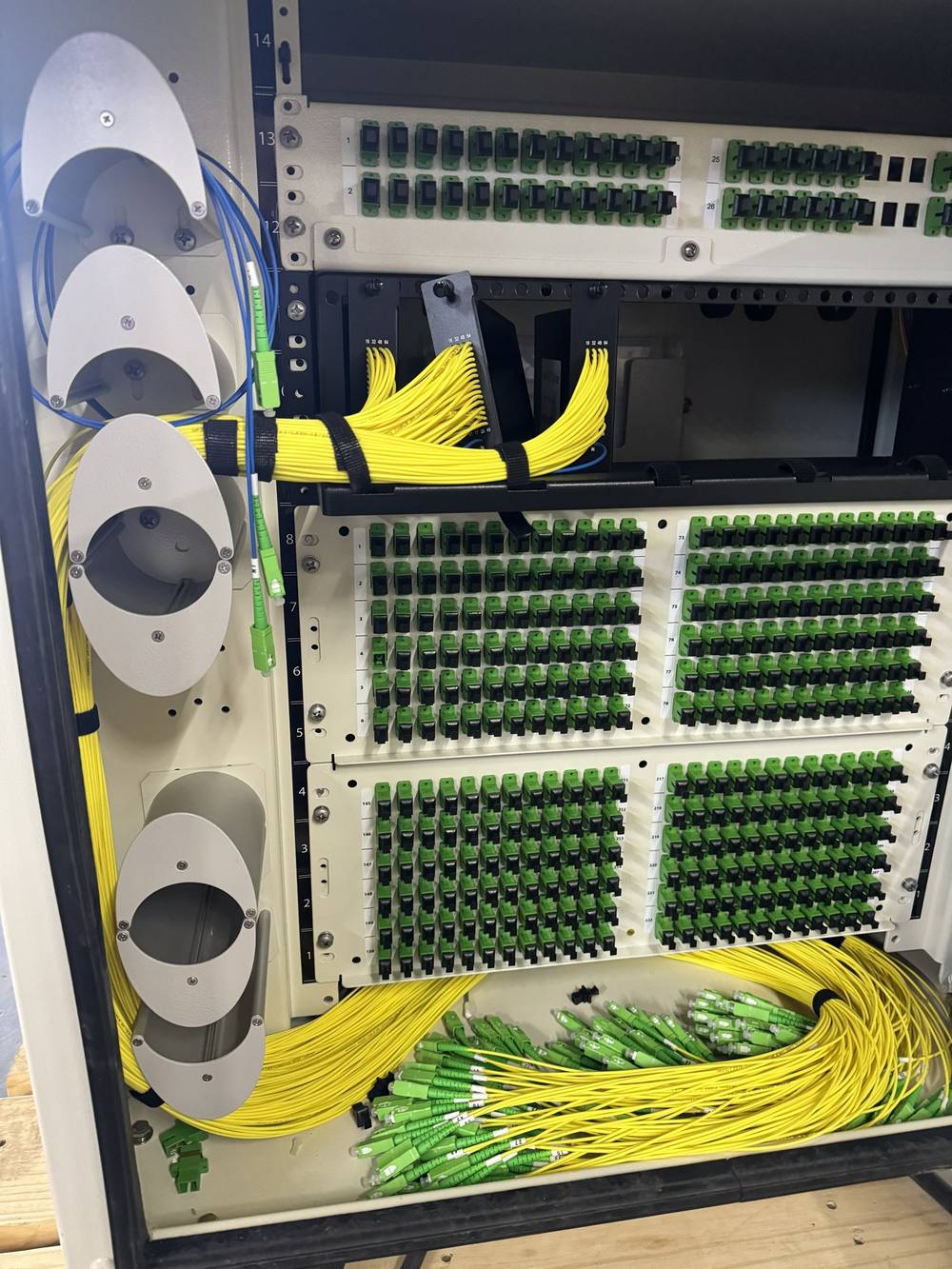
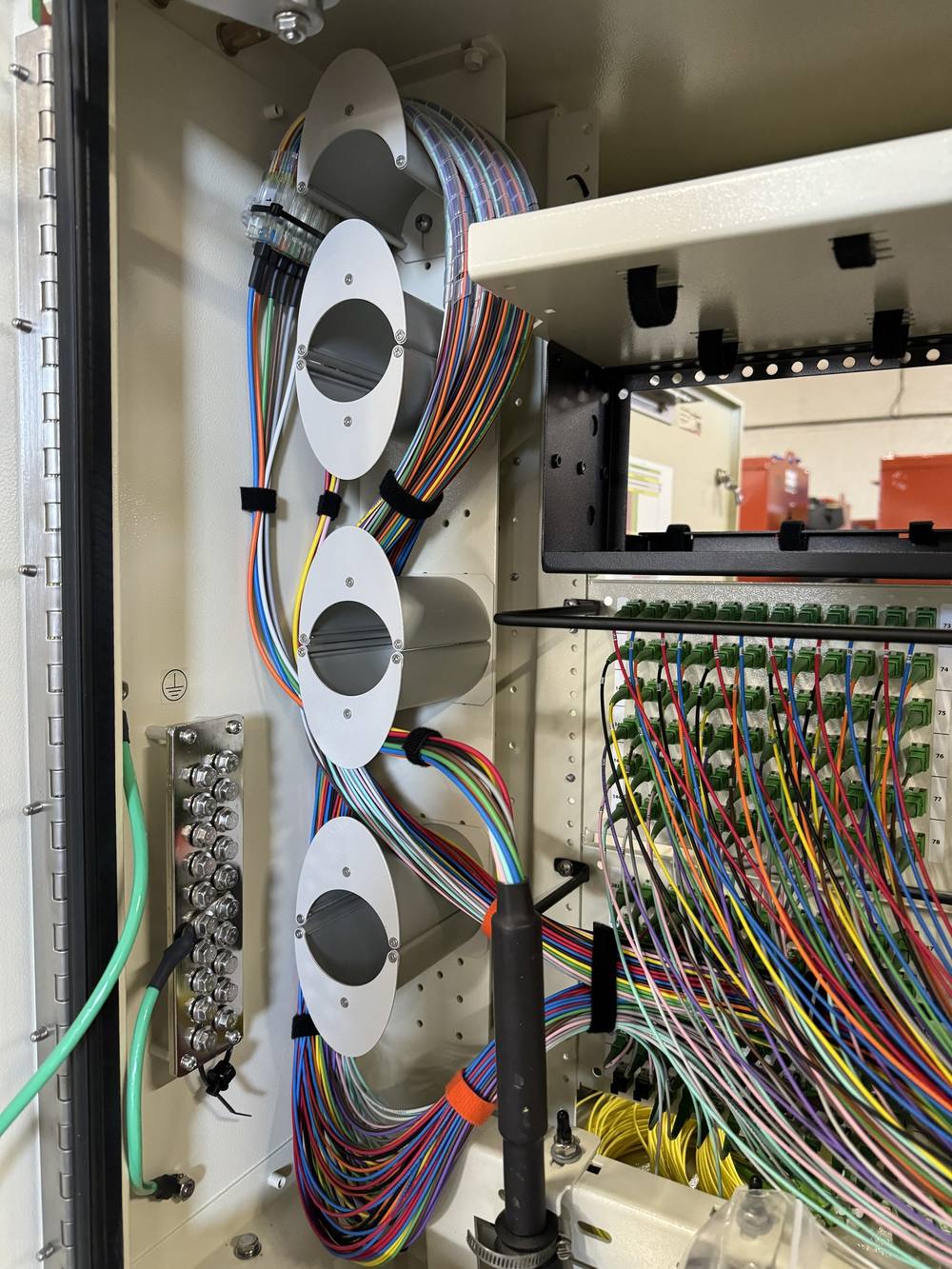
The work below is the part that decides whether a network is maintainable five years from now: tray configuration, fibre identification and routing, and records that match what is actually in the cabinet.

Optical distribution frame with rows of green connectors and yellow patch leads routed through the trays
Fig. 4 — ODF build and patching · Mesa, Arizona
Street cabinet interior with colour-coded fibre routed into splice trays
Fig. 5 — Cabinet build · Chandler, Arizona

Commercial and MDU fitouts

Also in Mesa and Chandler, for a fibre infrastructure owner: 33 commercial fitouts and 25 MDU buildings totalling 1,568 units, each taken the whole way from the street to the customer. Full civil construction from the carriageway into the property, metal ducting installed around the building, cable installed, spliced and tested, and the customer connected.

Holding the civils and the fibre under one contract is what makes that sequence work. There is no handover in the middle of it, no second mobilisation to open the ground, and one party answerable for the reinstatement outside the building as well as the service inside it.

MDU work runs alongside it. Multi-dwelling is its own discipline rather than a variation on a residential build: risers, shared access, landlord coordination, and working around residents who live there while the work happens.

Fibre to the apartment on new developments

On new residential developments across Arizona, full fibre to the apartment for a fibre infrastructure owner and for a regional ISP. Greenfield sequencing, where the fibre has to arrive in step with the builder’s programme rather than after it, so units are ready for service as they are released.

10 new MDU build-outs delivered this way so far.

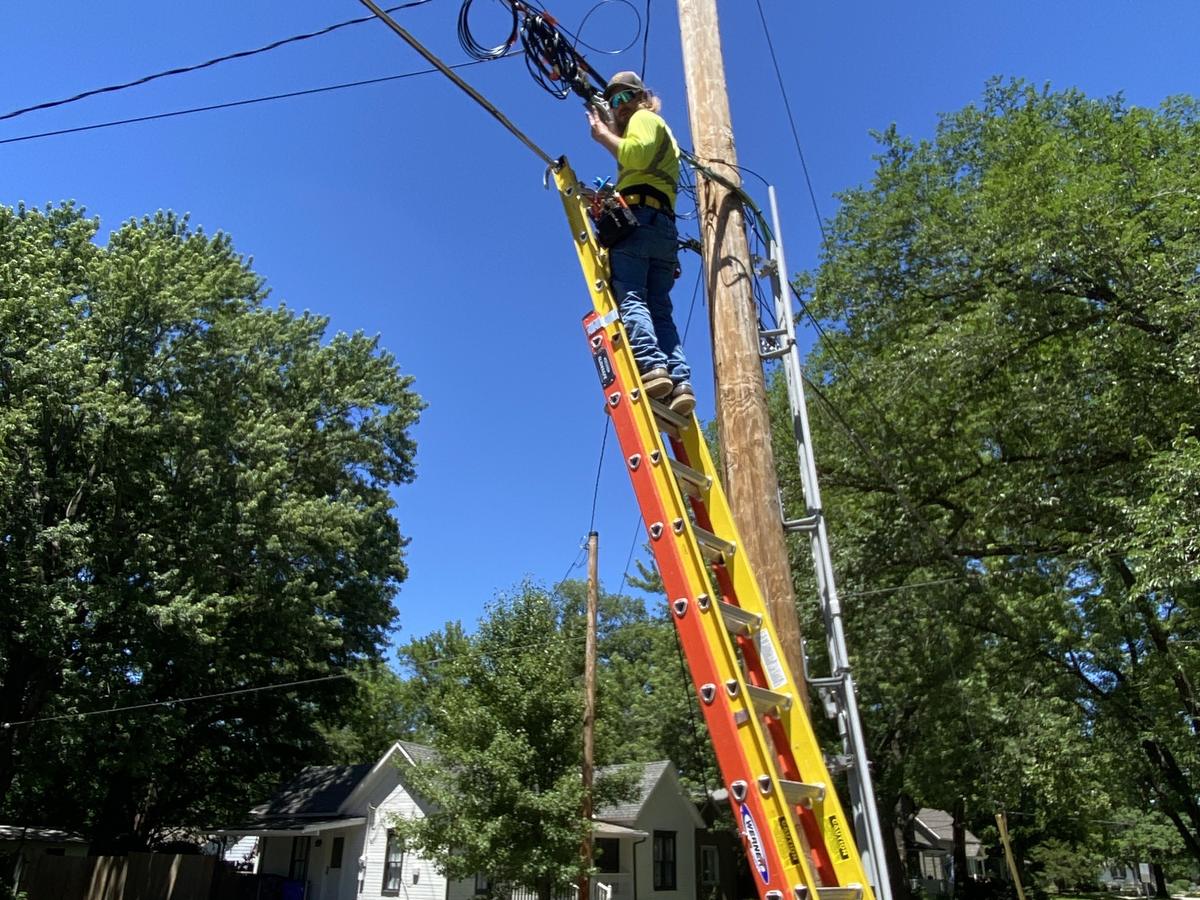
Engineer working at the top of a ladder on an aerial pole in a residential street
Fig. 6 — Aerial construction · Arizona

And we stay afterwards

Roughly 20,000 homes in Arizona sit under live operations and maintenance cover. It is not a network BYNTGroup built — we connected 500 homes to it, and the maintenance contract was awarded on performance: ad-hoc network repairs turned around quickly, and the civil repair capability to go with them.

That combination is the point. Fault finding and restoration, and the civils to open the ground and put it back afterwards: one mobilisation and one accountable party, rather than a fibre team waiting on a separate civils contractor before the road can be reinstated.

Where this goes next

Tell us what you need delivered in Arizona

Tell us about the programme and we will come back with a practical delivery plan.

Start a conversation